← Find More Emojis with AI

🚆Train Emoji

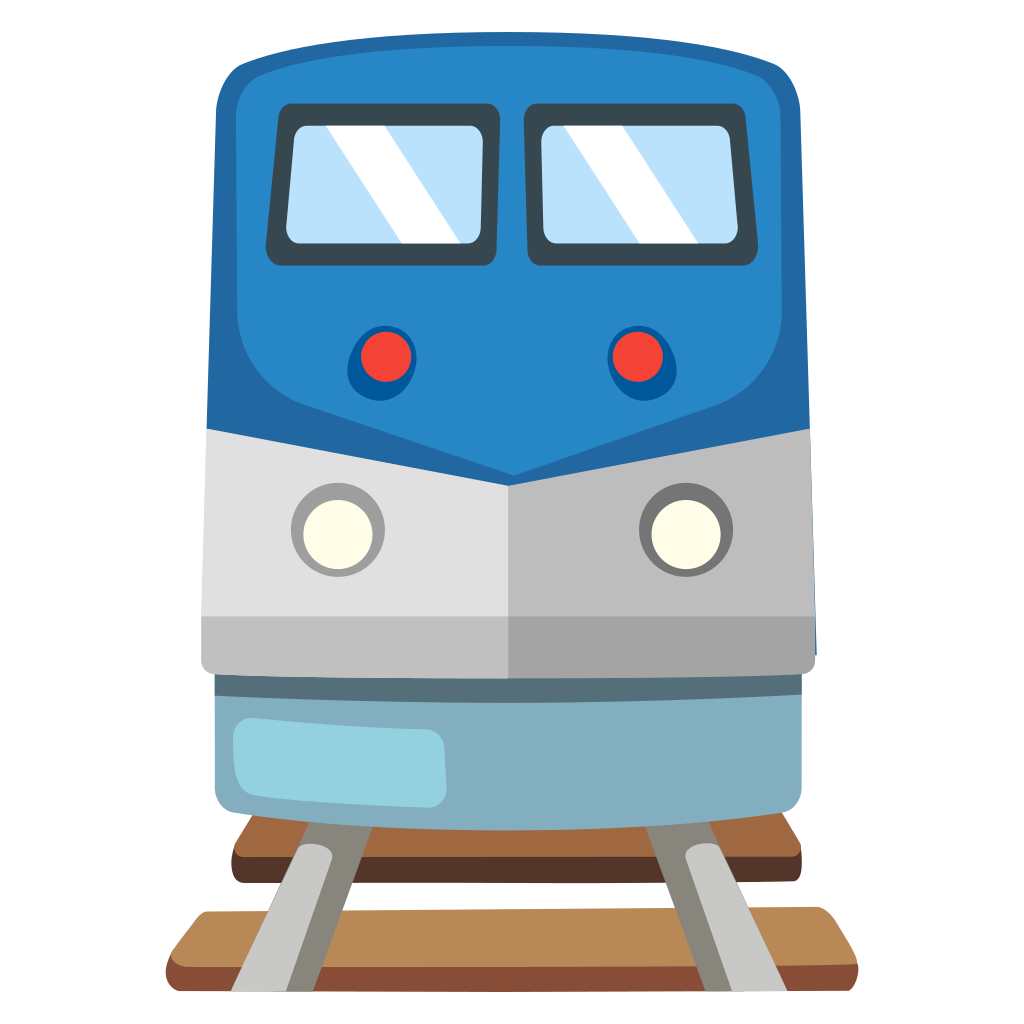
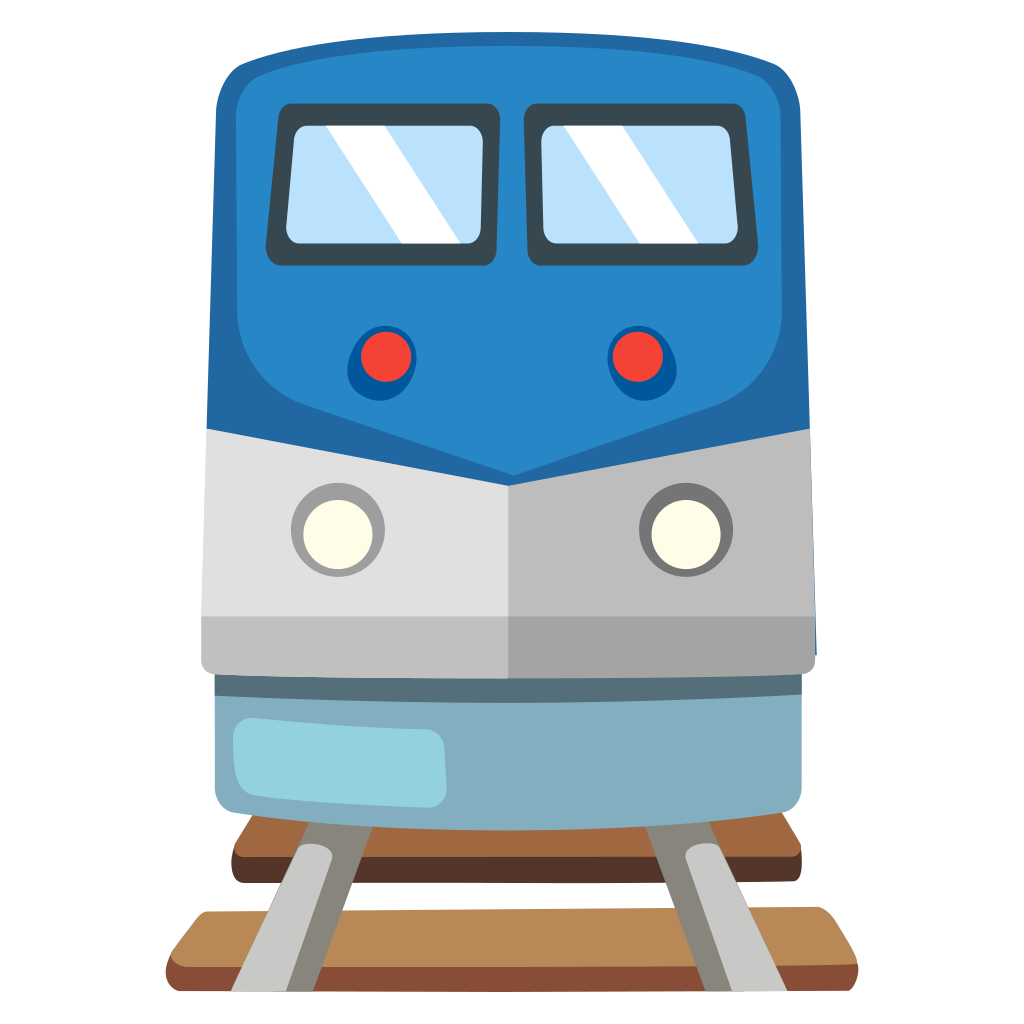
The train emoji depicts a modern locomotive or passenger train.

Unicode: U+1F686

train emojitravel emojitransportation emojicommute emojirailway emojilocomotive emojijourney emoji

Meaning and Symbolism of 🚆

A symbol for train travel, public transport, and punctual movement.

The train emoji represents various types of trains, including high-speed rail, subways, and commuter trains. It is commonly used to convey the idea of travel, transportation, or being on the move. The emoji can also symbolize punctuality or being on schedule.

Also known as:locomotiverailwayrailroadcommuter train

Popular Usage and Context

  • Indicating travel by train
  • Discussing public transportation
  • Representing commuting or daily routines
  • Expressing excitement or anticipation for an upcoming trip
  • Conveying the concept of movement or progress

Real-Life Message Examples with 🚆

I'll be taking the 🚆 to work tomorrow morning.

Let's meet at the 🚆 station after your shift ends.

The 🚆 was delayed due to a signal malfunction.

Popular Emoji Combos

🚆🗺️Planning train travel to a destination.
🚆🏃Rushing to catch a train.
🚆⏰Sticking to a train schedule.
🚆💼Commuting to work by train.

Tone & Vibe

sincereinformativesarcasticexcited
Formality
3/10
Positivity
6/10
Intensity
4/10

Cultural Notes

  • Japan: Often used to reference the famously punctual Shinkansen and commuter trains.

Platform Differences

  • Apple: Shows a blue-and-white high-speed bullet train.
  • Google: Displays a red-and-white classic locomotive style.
  • Samsung: Depicts a green train with a modern look.
  • Twitter: Renders as a simple blue train silhouette.

Common Misconceptions

  • It is often mistaken for the steam locomotive emoji (🚂).
  • Some believe it exclusively represents high-speed rail.
  • Others think it is only for subway systems.

Context Guide

On Dating Apps

In dating contexts, it can suggest planning a trip together or a desire to move forward in the relationship.

Gen-Z Usage

Sometimes used ironically to comment on slow public transit or to playfully suggest being 'on track'.

At WorkGenerally Safe

Appropriate for professional communication about travel, commuting, or schedules.

In MarketingGenerally Safe

Suitable for travel agencies, train companies, and logistics brands.

Use with Caution

  • Contexts related to train accidents or disasters
  • Situations involving train delays or cancellations (unless used humorously)
  • Discussions about environmental impact or pollution from trains
  • Contexts related to train-related crimes or security incidents
  • Sensitive topics involving train suicides or fatalities

Download Emoji Images

Download train emoji in SVG formatSVG
Download train emoji in PNG formatPNG
Download train emoji in WEBP formatWEBP

Similar Emojis and Alternatives

Explore other emoji similar to 🚆 Train emoji. These emoji share similar meanings, emotions, or use cases:

How to Type 🚆

Unicode
U+1F686
Windows
Win + .
macOS
Ctrl+Cmd+Space
GitHub/Slack
:train2:

More Travel & Places Emoji

Browse other emoji in the same category and discover more options related to 🚆 emoji:

Frequently Asked Questions about 🚆 Emoji

What does the train emoji mean?

It represents trains, travel, commuting, and punctuality.

Is the train emoji different from the bullet train emoji?

Yes, the bullet train emoji (🚄) specifically depicts a high-speed Shinkansen, while this emoji shows a standard modern train.

How do I type the train emoji on my phone?

On most devices, you can find it in the emoji keyboard under transport symbols.

When should I use the train emoji?

Use it when talking about train travel, schedules, commuting, or being on the move.

Does the train emoji always mean literal trains?

It can also symbolize being on schedule or making progress in a figurative sense.

Related Searches

train emoji meaningdifference between train and bullet train emojihow to use train emojitrain emoji copy pastetrain emoji unicodecommuter train emoji

Discover More Emoji

Emoji Spark is the smartest AI-powered emoji search tool. Beyond the 🚆 Train emoji, we provide detailed information, usage examples, and download options for thousands of emoji. Use our AI search feature to quickly find the perfect emoji by simply describing the emotion or scenario you want to express.

Most Searched Emojis

🤪

Zany Face

The zany face emoji depicts a silly, cross-eyed expression.

Learn More
🫣

Face with Peeking Eye

The face with peeking eye emoji depicts a smiling face peeking through fingers.

Learn More
😏

Smirking Face

A sly, smug facial expression with a mischievous grin.

Learn More
😮‍💨

Face Exhaling

The face exhaling emoji depicts a surprised or exasperated expression.

Learn More
🤮

Face Vomiting

The face vomiting emoji depicts a sickly, green face vomiting.

Learn More
😵

Face with Crossed-Out Eyes

The face with crossed-out eyes emoji depicts a dazed or unconscious expression.

Learn More
😵‍💫

Face with Spiral Eyes

The face with spiral eyes emoji depicts dizziness or confusion.

Learn More
🥺

Pleading Face

The pleading face emoji depicts a sad, puppy-eyed expression.

Learn More
💦

Sweat Droplets

The sweat droplets emoji represents perspiration, exertion, or heat.

Learn More
🖕

Middle Finger

The middle finger emoji depicts a hand gesture of defiance or disrespect.

Learn More
🫵

Index Pointing at the Viewer

The index pointing at the viewer emoji depicts a hand gesture.

Learn More
🫶

Heart Hands

The heart hands emoji depicts two hands forming a heart shape.

Learn More
🫶🏻

Heart Hands: Light Skin Tone

A pair of hands forming a heart shape, conveying love.

Learn More
🫦

Biting Lip

The biting lip emoji represents a flirtatious or suggestive expression.

Learn More
🦦

Otter

The otter emoji depicts a cute, playful otter.

Learn More
🌝

Full Moon Face

A bright, full moon face emoji depicting the moon's glowing surface.

Learn More
🧿

Nazar Amulet

The nazar amulet emoji symbolizes protection against the evil eye.

Learn More
▶️

Play Button

The play button emoji symbolizes starting or playing multimedia.

Learn More